
"arabica growing regions"
3000 article(s) found

Costa Rica Milasu Garden Rose Summer Strawberry Sugar hand-made Flavor characteristics Honey treatment of Rose Summer Coffee Bean Story
Professional coffee knowledge exchange more coffee bean information please follow the coffee workshop (Wechat official account cafe_style) Milasu Manor Costaricamirazudcafetal in Costa Rica is a doctor of agriculture who is very good at processing and post-processing, and later completed his own

The characteristics of Yunnan Tibica / Tieka how to drink Dibica coffee with bean flavor?
Professional coffee knowledge exchange more coffee bean information please follow the coffee workshop (Wechat official account cafe_style) Coffee is suitable for growing in subtropical and tropical areas, with the equator as the center and 25 degrees north and south latitude ring area. The growth of coffee is mainly distributed in five regions, and the flavor and taste characteristics of coffee beans are different in different regions. The coffee grown in different regions is

Introduction of coffee beans and some boutique coffee in the main producing areas of coffee beans in the world (2)
Introduction of coffee beans and some boutique coffee in the main coffee producing areas of the world: central America

Which country is Arabica? the characteristics of Arabica coffee
Following caf é (Wechat official account vdailycom) found that Beautiful Cafe opened a small shop of its own. At present, coffee has been grown in more than 50 countries around the world, but good coffee beans are mainly produced in the equatorial zone between 25 degrees north latitude and 30 degrees south latitude, high altitude, tropical climate and fertile soil. Only in this way can we grow quality coffee beans with full particles and rich coffee flavor. Full
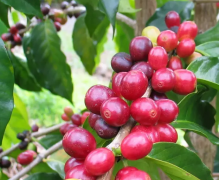
Hard coffee planting tips for a cup of coffee
Geographically, there are three global coffee growing areas: East Africa and the Arabian Peninsula, Southeast Asia and the Pacific Rim, and Latin America. Coffee grown in different regions has different flavors. The special soil, climatic conditions and planting methods of a country make the coffee produced in that country have a special flavor. French winemakers call this phenomenon regional style. In

Costa Rican coffee bean flavor description taste treatment grinding scale varieties
All coffee grows in the tropics, in fact, altitude has no direct effect on coffee, but altitude can affect the growth, development and quality of coffee through the redistribution of meteorological elements (temperature, light, heat, wind speed, rainfall, etc.). The tropical region between the Tropic of Cancer and the Tropic of Cancer produces the world's truly high-quality Arabica coffee. Central and South America, South Asia and

Description of Arabian Coffee Flavor, characteristics of Grinding degree, introduction to the producing areas of High-quality Coffee beans
Good Arabica? Coffee requires a complicated process of hand picking, selection and fine processing, so are the most expensive and best coffee beans in the world? Arabica? Grow coffee. Robusta? Caffeine is low-cost and is usually used to produce instant coffee and canned coffee. A few of the better ones? Robusta? Growing coffee is also used in blending (with Allah)

Colombia coffee flavor boutique coffee beans taste characteristics of the region Manor Introduction
Arabica coffee has a wide variety of flavors. Arabica coffee produced in different regions, altitudes and climates usually has its own characteristics. When unroasted, Arabica coffee smells like grass. When properly roasted, Arabica coffee shows fruity (medium light roast) and caramel sweet (deep roast) aromas. Her excellent flavor and aroma make her
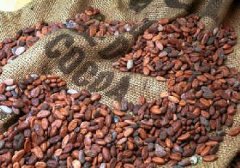
The process of planting and picking Coffee basic knowledge of Coffee
The first people to drink coffee lived in Ethiopia. A drink called Buncham was found in the Arab scientific literature of 900-1000 AD, but it is not certain that it is coffee. These documents mainly record the scientific value of this bean called Buncham. In addition to introducing the protective effects of this drink on the stomach, organs and skin, the author also mentioned that it can make
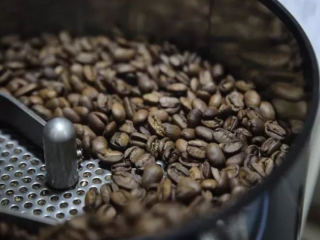
What is the difference between iron pickup coffee beans and Arabica coffee beans? Characteristics of Arabica coffee bean producing area and taste
Iron pickup coffee bean is one of the varieties of Arabica coffee, and the earliest coffee variety found is Arabica. According to biology, coffee varieties are divided into three major varieties: Arabica, Robusta, and Liberika. Arabica coffee is the first kind of coffee discovered by people. Arabica coffee accounts for now.
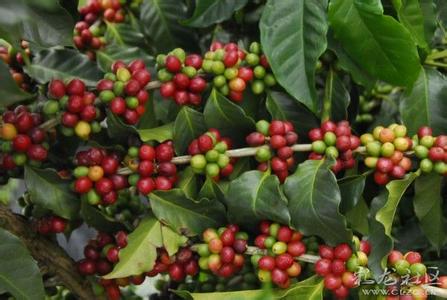
The most important type of coffee in the world-the distribution and growth habits of coffee
Coffee distribution: coffee trees grow in the tropical or subtropical regions of the tropical or subtropical regions with the equator as the center and between the latitudes of 25 degrees south and north. At present, coffee is produced in more than 60 countries, widely distributed in South America, Central America, the West Indies, Asia, Africa, Arabia, the South Pacific and Oceania. In terms of output, Pakistan, which accounts for the largest output in the world,

The unique flavor of Starbucks Colombian Coffee, what coffee estates are there in Colombia?
For the exchange of professional baristas, please follow the coffee workshop (Wechat official account cafe_style) Starbucks coffee bean selection series | Cerro Asul 01 coffee production in Colombia. Colombia has always been a large coffee grower, once contributed 10% of the total global coffee production and is an important producer of bulk commercial Arabica coffee. The existing coffee growing areas are generally divided.

Basic knowledge of fine coffee beans Coffee Bean producing countries
Mexican Coffee Type: Arabica Coffee production: 4.200.000 bags of Mexican coffee mostly from southern Mexico, the area is long and narrow and turns eastward. Veracruz produces most of the lowland coffee on the bay in the middle of the mountain, but the coffee is also known as Cottpe, which comes from a city near the mountain and has a good reputation. Other

The tasty Robusta recommends
Following Cafe (official Wechat account vdailycom) found that Fairview Cafe opened its own shop like other coffee growing areas in the world. Indian farmers chose robusta beans as the last choice to grow coffee varieties, and chose to grow robusta beans only when the soil was not suitable for growing Arabica beans, because robusta beans are traded on the New York Stock Exchange.

Understand the basic characteristics of Arabica coffee | what are the characteristics of high-quality Arabica coffee beans
Professional coffee knowledge exchange more information about coffee beans Please follow the coffee workshop (Wechat official account cafe_style), also known as small coffee beans, originated in Ethiopia. Arabica coffee trees mostly grow at an altitude of 10002000 meters above sea level; they are cold-tolerant, and the suitable growth temperature is 1524 ℃; higher humidity is needed, and the annual rainfall is not less than 1500 milliliters.

The skills of planting and harvesting Coffee the growth status of coffee trees
The first people to drink coffee lived in Ethiopia. A drink called Buncham was found in the Arab scientific literature of 900-1000 AD, but it is not certain that it is coffee. These documents mainly record the scientific value of this bean called Buncham. In addition to introducing the protective effects of this drink on the stomach, organs and skin, the author also mentioned that it can make

Yemen Mocha Mattari Information Coffee Growing Process Flavor Features Introduction
Professional barista exchanges, please pay attention to coffee workshop (Weixin Official Accounts cafe_style). As long as Yemeni coffee is mentioned, it is immediately reminiscent of thick and wild sun beans. Yemeni coffee has a long history. Arabica beans were introduced from the Hara region of Ethiopia in the 6th century. Since ancient times, Yemeni coffee farmers have been following the ancient methods handed down by their ancestors. Due to the terrain,

Introduction to the three types of coffee beans most commonly used in making coffee are divided into three categories
At present, the main species of coffee plants growing in different regions of the world include the following: ARABICA/ROBUSTA/LIBERICA/DEWEVREI/STENOPHILLA/CONGENSIS/ABEOKUTAS/KLAINII/ZAANGUEBARIAE/RACEMOSA. Among them, the most commonly used coffee is divided into three categories: small seed coffee beans (Arabica) and medium seed coffee beans (Robusta).

Description of Regional Flavor of Robusta Coffee Bean Manor introduction to variety treatment method of taste grinding scale
Robusta Coffee Bean Manor Regional Flavor description, Grinding scale Variety treatment, Robusta Ken has unique aroma (known as Rob flavor, some people mainly mildew smell) and bitterness, if 23% is mixed with other coffee, then the whole cup of coffee has become Rob flavor (therefore, Robusta coffee beans can not be drunk as individual coffee beans)

Organic Coffee cultivation of Bolivian Fine Coffee Arabica Coffee
Located in the western heart of South America, Bolivia covers an area of 1098581 square kilometers-about three times the size of Montana. The two mountains of the Andes span western Bolivia, forming three major geographical regions of the country: the mountainous highlands in the west and Altiplano, and the east.